Getting Up From the Floor: A Skill Worth Keeping
Being able to sit down on the floor and get back up is a handy everyday ability. This Story explains why it matters and how to practice it gently and safely.
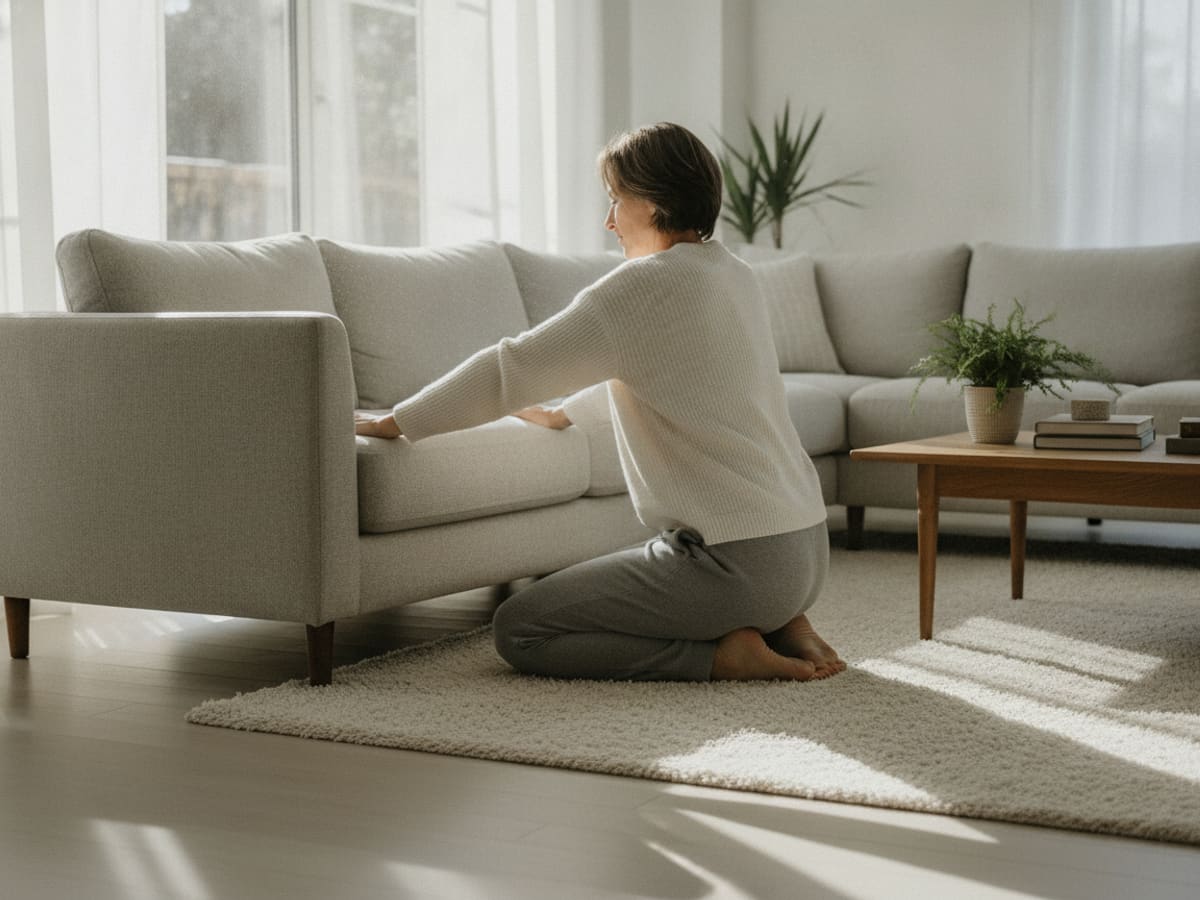
Why this everyday movement matters
Getting up from the floor is one of those things you never think about until it gets harder. You sit down to play with a grandchild, look for something under the couch, or stretch on a mat, and then you pause and wonder how you're going to get back up.
If that sounds familiar, you're in good company. Many adults notice this change over the years, and there are several ordinary reasons behind it. Leg and hip muscles tend to get less use when we spend more of our day in chairs. Joints can feel stiffer, especially after sitting a while. Balance and confidence can shift too, and sometimes the hesitation comes from simply not having done the movement in a long time.
The good news is that this is a skill, and skills respond to practice. Getting up from the floor uses your legs, hips, core, arms and balance all at once. It also asks you to shift your weight, change levels and trust yourself while you do it. That's a lot of everyday movement packed into a few seconds.
It also matters for independence. Being comfortable on the floor means more freedom to garden, play, do home projects, or pick up something you dropped without waiting for help. And knowing how to get up calmly can make an unexpected slip feel less frightening.
Practicing near something stable
The easiest way to begin is to set yourself up for success. Choose a spot next to something sturdy, like a heavy couch, a solid armchair, or a bed that won't slide. Avoid anything with wheels or anything that tips easily.
Put a cushion or folded blanket on the floor if that's more comfortable, and wear shoes or socks with good grip. Bare feet on a smooth surface can be slippery, and so can socks on hardwood.
Keep your phone within reach, and let someone know you're practicing if you live with others. Having a plan takes some of the worry out of it, which makes it easier to move smoothly.
Start by simply lowering yourself down and getting back up near the furniture, using it as support. There's no need to do it without help. Using your hands is a smart strategy, not a failure.
Breaking it into smaller steps
Thinking of the movement as one big effort can make it feel overwhelming. Splitting it into smaller steps lets you go at a pace that feels steady. Here's one common way to do it, though you can adjust it to fit your body:
- From lying or sitting on the floor, roll onto your side and bring yourself up so you're on your hands and knees.
- Crawl or shuffle toward your sturdy support, such as the couch or chair.
- Place both hands on the seat or edge of the furniture.
- Bring one foot forward so it's flat on the floor, into a half-kneeling position, like the start of a lunge.
- Press through that front foot and your hands, and lift your hips up and back toward the seat.
- Turn and sit down on the furniture, and take a moment before you stand.
You don't need to master all six steps in one session. Some people work on just the hands-and-knees part for a few days. Others spend time on the half-kneeling position, which builds comfort with the trickiest transition.
A few habits can help along the way:
- Breathe out as you push up, rather than holding your breath.
- Move slowly and pause between steps.
- Keep your hands on the furniture until you feel steady.
- Stop and rest whenever you need to.
Making it part of playtime, stretching or TV time
Practice doesn't have to feel like a chore. The more it blends into your day, the more likely you are to keep it up.
If you spend time with kids or grandkids, let the floor become part of the fun. Building with blocks, doing a puzzle, or playing a board game on the rug gives you a natural reason to get down and back up a few times.
Stretching is another easy way in. A gentle routine on a mat, such as slow knee hugs or easy seated stretches, puts you in a good position to practice rising afterward.
You can also pair it with TV time. During a commercial break, or between episodes, sit on the floor near the couch for a bit and then work your way up using the steps above. Small, repeated tries tend to feel more manageable than one long session.
A few ideas to keep it relaxed:
- Try it once or twice a day rather than all at once.
- Notice what feels easier from week to week, even in small ways.
- Skip a day when you're sore or tired, and pick it back up when you're ready.
When to ask a professional about a safe approach
Everyone's body is different, and there's no single right way to do this. If getting up from the floor feels worrying, a professional can help you find an approach that suits you. A physical therapist is often a good place to start, and your primary care provider can point you to one.
They can look at how you move, suggest adjustments, and show you techniques that fit your strength, joints and comfort level. This is especially helpful if you have had a fall, feel unsteady, or live with a condition that affects your balance or movement.
Getting up from the floor is a small skill with a big payoff in everyday confidence. Pick one spot near something sturdy, try one step this week, and let it grow from there at whatever pace feels right for you.