Herbs on the Windowsill: Flavor Without the Fuss
A few pots of easy herbs can make plain meals taste more interesting without extra salt or effort. Here is how to start small and actually use what you grow.
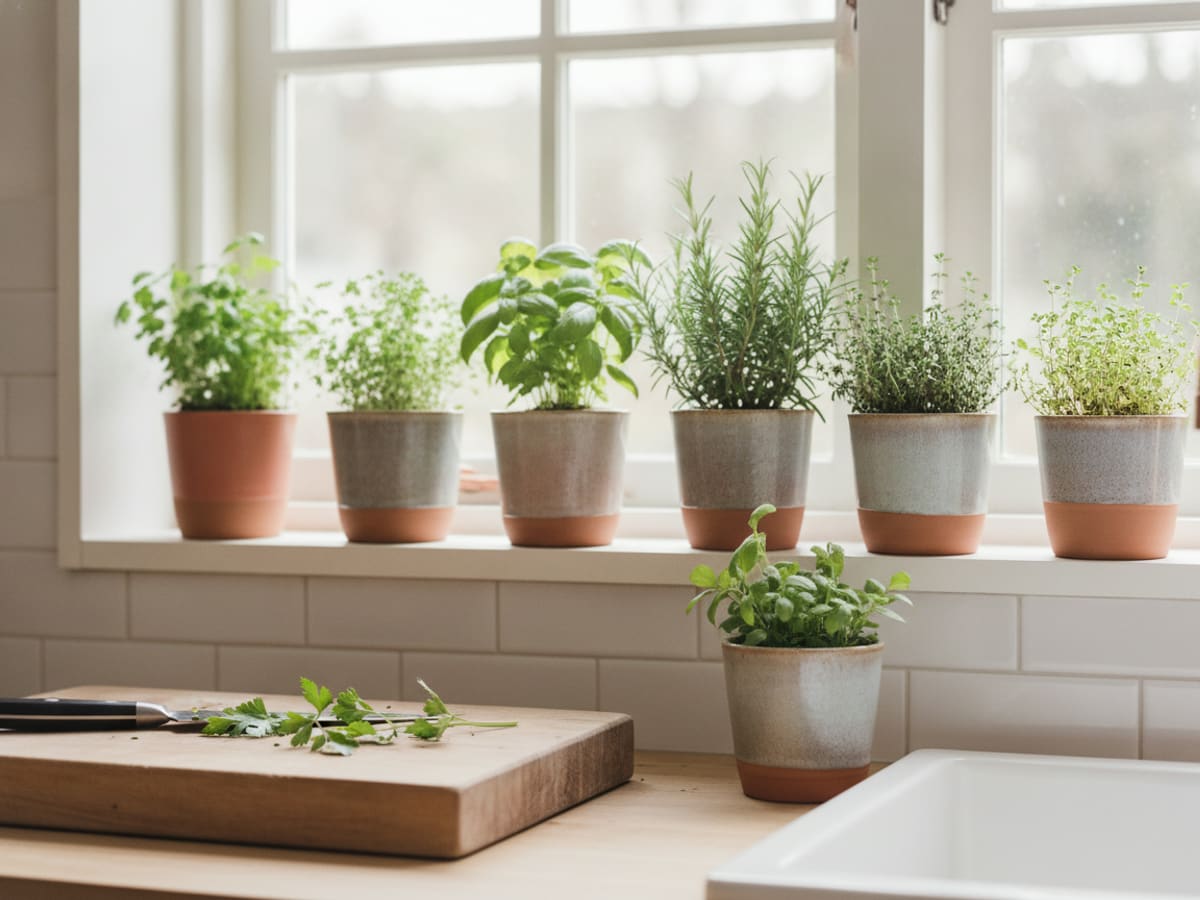
Why herbs make everyday food taste better
Salt makes food taste more like itself. Herbs do something different: they add new notes. A scatter of basil smells sweet and peppery. Mint tastes cool and bright. Chives bring a gentle onion bite. When a dish has these layers, you tend to miss the extra salt less.
Much of what we call flavor is actually smell, and fresh herbs are full of aroma. That's why a handful of torn leaves can make a plain bowl of rice, eggs or roasted vegetables feel finished.
Growing a few pots on the windowsill means they're there when you need them. You can snip just what you need, skip the wilted bunch in the back of the fridge, and enjoy a little green in your kitchen.
Easy herbs for beginners
You don't need a garden or much experience. Start with one or two herbs you already like eating.
- Basil: great with tomatoes, eggs, pasta and sandwiches. It likes warmth and plenty of light.
- Mint: forgiving and fast-growing. Try it in salads, with yogurt, or in a glass of water. Keep it in its own pot, since it spreads.
- Chives: very easy, and they come back after cutting. Good on potatoes, soups and scrambled eggs.
- Parsley: mild and fresh, and it goes with almost anything savory.
- Thyme: small leaves with a earthy flavor. It's sturdy and does well in a smaller pot.
- Rosemary: a woody herb that likes to stay on the dry side. Wonderful with roasted vegetables and beans.
Small starter plants are the simplest way to begin. Seeds work too, but they take more patience.
Light, water and a spot that works
Light matters most. Look for the brightest window you have. A window that gets strong sun for a good part of the day is ideal, and herbs like basil and rosemary especially appreciate it. Mint, chives and parsley are more tolerant of a bit less.
Pick a pot with a drainage hole and set it on a saucer. Soggy roots are the most common reason a windowsill herb struggles.
For watering, skip the schedule and check the soil instead. Push a finger about an inch into the pot. If it feels dry, water slowly until a little drains out the bottom. If it's still damp, wait a day. Empty the saucer afterward so the pot isn't sitting in water.
A few other habits help:
- Turn the pot every few days so the plant doesn't lean toward the glass.
- Keep leaves away from very cold windowpanes on winter nights.
- Pinch off the top few leaves regularly. This encourages the plant to grow bushier instead of tall and spindly.
Tearing, chopping and stirring them in
How and when you add an herb changes how it tastes.
Tender herbs, like basil, mint, chives and parsley, have delicate flavors that fade with long cooking. Add them near the end, or right at the table.
Sturdier herbs, like rosemary and thyme, can go into the pan earlier. Their flavor needs a little time to soften and spread through the dish.
Here is a simple way to use them this week:
- Pick a familiar dish, such as scrambled eggs, soup, grain bowls or roasted vegetables.
- Snip a small handful of a tender herb just before serving.
- Tear basil or mint with your fingers, or chop chives and parsley with a sharp knife. A dull knife bruises the leaves and turns them dark.
- Stir them in off the heat, or sprinkle them on top.
- Taste. Then try adding a squeeze of lemon, a little black pepper or some garlic for more depth.
Acid and pepper are good partners for herbs. Together they give food brightness and a bit of bite, which helps when you're cooking with less salt.
What to do when a pot gives up
Every windowsill gardener loses a plant sometimes. It's normal, and the plant usually tells you what went wrong.
- Yellow, droopy leaves with wet soil often mean too much water. Let the pot dry out more between drinks and check the drainage.
- Crisp, brown edges and dry soil mean it needs a more regular drink.
- Long, pale, stretched stems usually mean it wants more light. Try a brighter spot.
- Basil that sends up flower spikes is trying to finish its life cycle. Pinch off the flowers early to keep leaves coming.
Sometimes a plant simply runs its course, especially basil. If so, start over with a fresh plant or new seeds, and apply what you learned.
In the meantime, you can still cook with herbs. Buy a small bunch, and keep what you can't use right away by chopping it into an ice